Moving Fitness Equipment for a Home Gym: What to Know Before You Move
Moving into a new home is exciting, but relocating a home gym can be one of the most challenging parts of the process. Treadmills, power racks, cable machines, weight benches, and other workout equipment are often heavy, awkwardly shaped, and difficult to maneuver through doorways and staircases.
That’s why working with experienced fitness equipment movers can make a major difference. Instead of risking damage to your equipment—or an injury to yourself—you can have trained professionals handle the difficult work.
Why Moving Fitness Equipment Is Different
Standard household furniture is generally designed to be moved relatively easily. Exercise equipment is another story.
A single piece of gym equipment may contain hundreds of pounds of metal, cables, electronics, or moving components. Some machines also require partial disassembly before they can safely fit through a doorway.
For example, moving a treadmill may involve:
Disconnecting electrical components
Folding or securing the walking deck
Removing certain parts to reduce weight
Protecting the belt and console
Navigating narrow hallways or stairs
Carefully positioning the treadmill in its new location
Trying to move this type of equipment without the proper experience can result in scratched floors, damaged walls, broken equipment, or personal injury.
Common Types of Fitness Equipment That Need Professional Moving
Professional gym equipment movers can help relocate many different types of exercise equipment, including:
Treadmills
Treadmills are bulky and can be surprisingly difficult to maneuver. Their weight distribution can make stairs, tight corners, and narrow doorways particularly challenging.
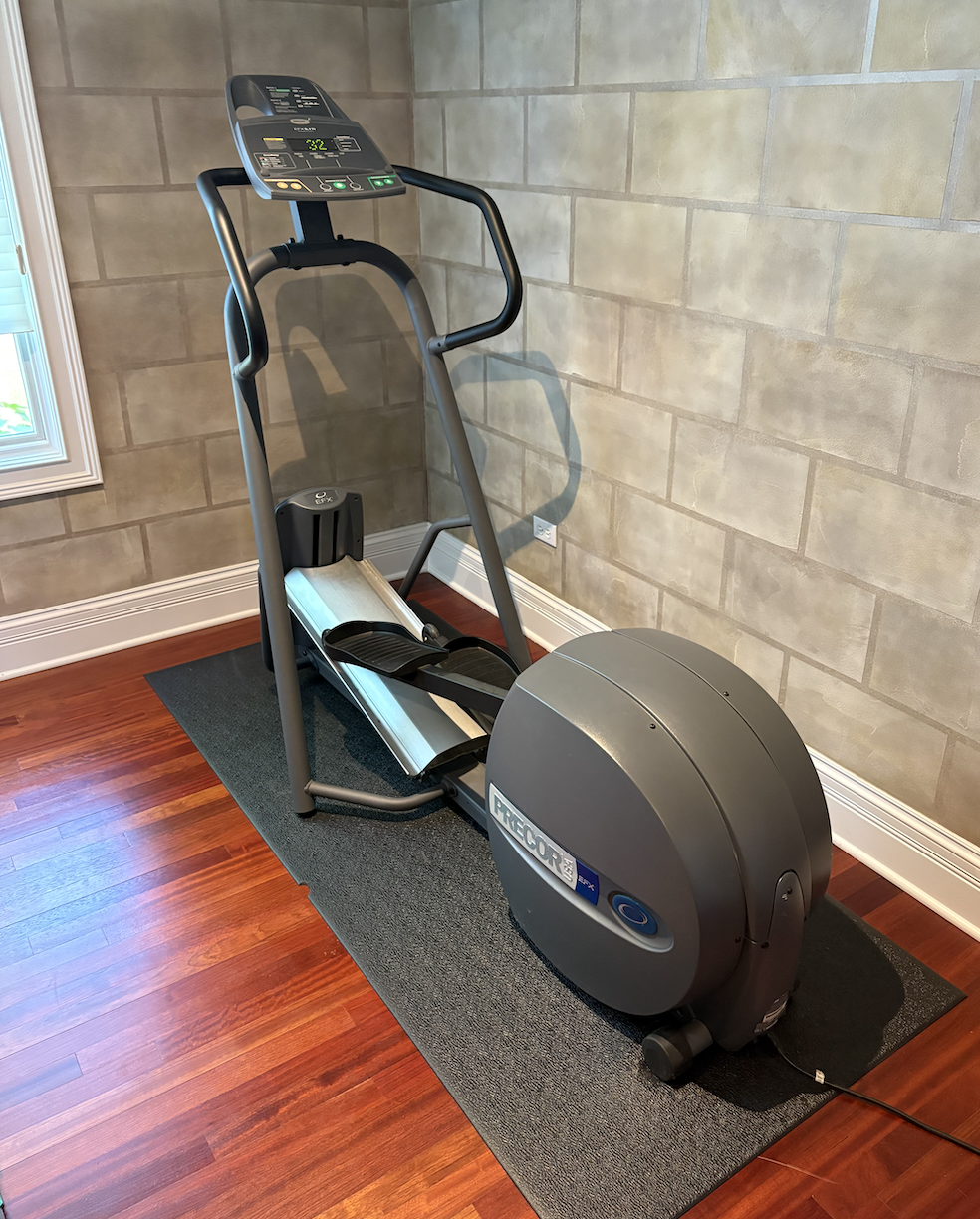
Ellipticals and Exercise Bikes
Although these machines may be smaller than treadmills, they can still be awkward to carry. Proper handling helps prevent damage to pedals, screens, handles, and other components.
Weight Benches and Free Weights
Weight plates and dumbbells are extremely dense. Moving several sets at once can quickly become a significant lifting challenge.
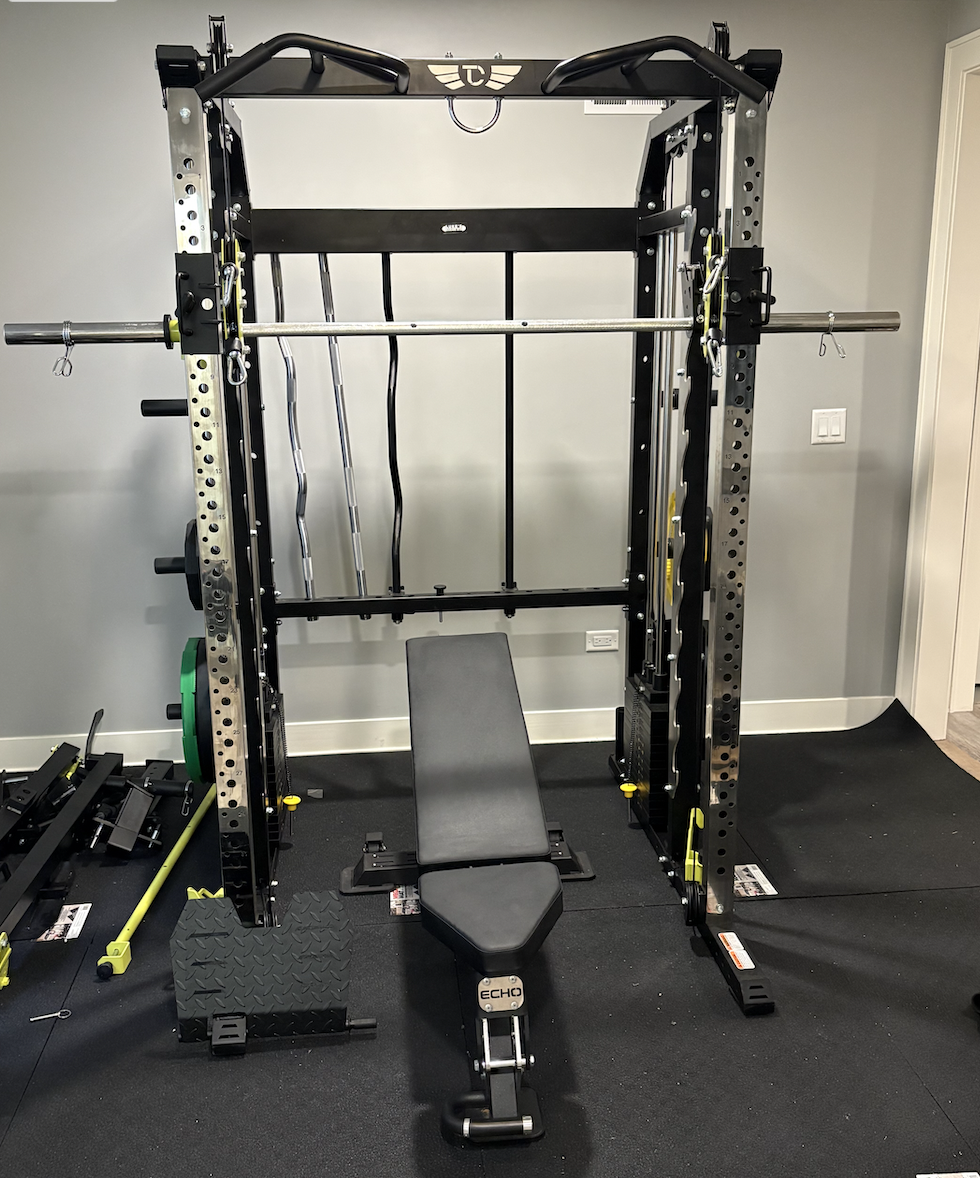
Power Racks and Squat Racks
Large racks may need to be disassembled before transportation. Professional movers can help determine how much equipment needs to be taken apart and how it should be protected.
Cable Machines and Functional Trainers
Cable systems contain numerous components that can be damaged if they’re improperly handled. Careful disassembly and reassembly can help keep the machine functioning properly.
Home Gym Systems
Multi-station home gyms can be particularly difficult to relocate because of their size, weight, and interconnected components.
How to Prepare for a Fitness Equipment Move
A little preparation can make fitness equipment moving much easier.
1. Measure the Equipment
Measure the height, width, and depth of large machines before moving day. Also measure doorways, staircases, elevators, and other access points.
2. Clear the Path
Remove boxes, furniture, rugs, and other obstacles from the route your equipment will travel.
3. Remove Loose Accessories
Take off water bottle holders, removable weights, mats, screens, or other detachable pieces whenever appropriate.
4. Check Manufacturer Instructions
Some equipment has specific instructions for transportation. Keep manuals available in case they are needed during disassembly or reassembly.
5. Tell Your Movers About Special Circumstances
If your home gym is located in a basement, upstairs room, garage, or other difficult-to-access area, mention this when scheduling your move.
Providing these details ahead of time helps your moving team prepare for the job.
Why Professional Fitness Equipment Movers Can Be Worth It
Moving heavy exercise equipment isn’t just about having enough people to lift it. It requires planning, proper equipment, communication, and an understanding of how to safely maneuver large objects.
Professional movers can help reduce the physical demands of the move while minimizing the risk of damage to your equipment and property.
This can be especially valuable when you’re moving equipment from a basement or navigating stairs and tight spaces.
Don’t Forget About the New Gym Setup
Getting your equipment to your new location is only part of the process. You’ll also need to decide where everything should go.
Before moving day, consider:
Where electrical outlets are located
Available ceiling height
Flooring requirements
Clearance around each machine
Ventilation
Storage for weights and accessories
Safe walking space between equipment
Planning your layout in advance can make the final setup much easier.
Let 123 Lift Movers Handle the Heavy Lifting
Your home gym represents an investment in your health, your time, and your equipment. Moving it shouldn’t mean risking that investment.
Whether you’re relocating a single treadmill or an entire home gym, 123 Lift Movers can help make the process easier. Professional fitness equipment movers can take care of the heavy lifting so you can focus on getting settled into your new space—and getting back to your workout routine.
Ready to move your gym equipment? Contact 123 Lift Movers to discuss your fitness equipment relocation needs.
