How to Prepare Your Fitness Equipment for a Move: A Complete Guide
Moving fitness equipment is very different from moving ordinary household furniture. Treadmills, cable machines, squat racks, ellipticals, and weight machines can be heavy, awkward, and surprisingly delicate. Without proper preparation, equipment can be damaged during transportation—or cause damage to floors, walls, and doorways.
Whether you’re relocating a home gym, moving a commercial fitness facility, or simply upgrading your workout space, preparing your equipment correctly can make the entire process easier.
Here’s how to get your fitness equipment ready for a safe and efficient move.
1. Make an Inventory of Your Equipment
Before moving anything, create a complete inventory of the equipment that needs to be relocated.
Your list might include:
Treadmills
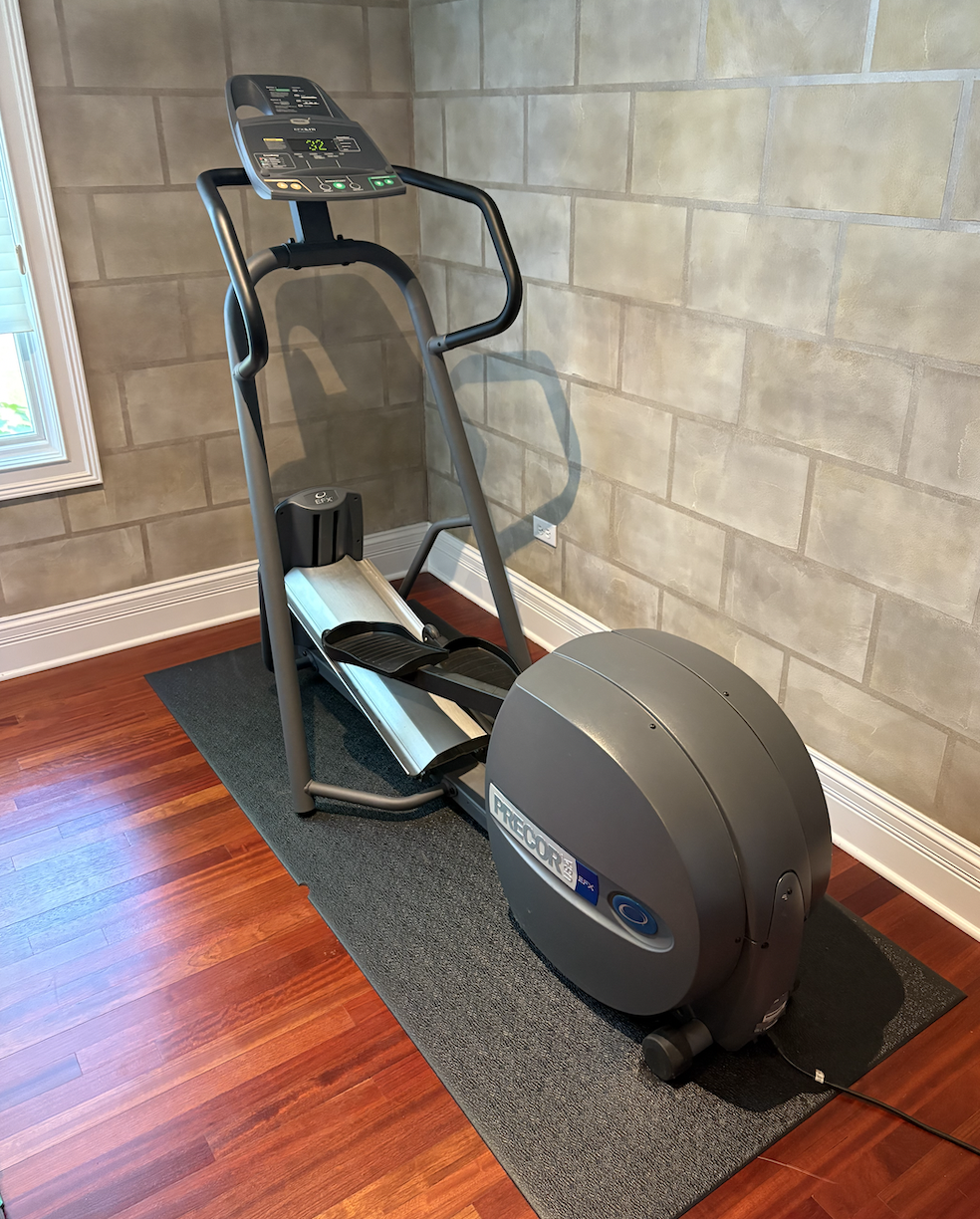
Ellipticals
Exercise bikes
Rowing machines
Weight benches
Dumbbells and kettlebells
Squat racks
Power racks
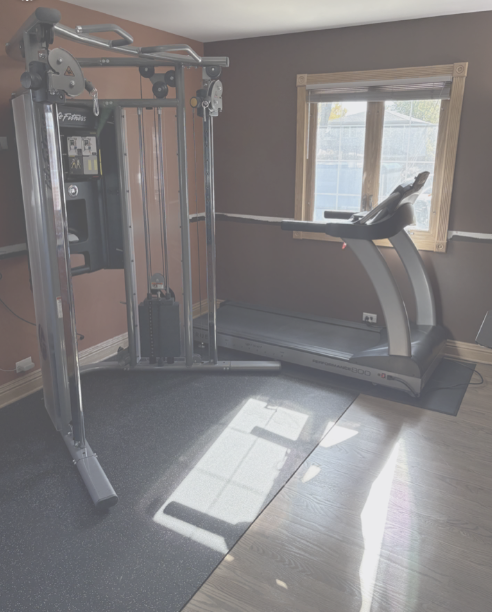
Cable machines
Smith machines
Leg presses
Functional trainers
Commercial fitness machines
Take photos of each piece before disassembly. This gives you a visual record of how everything was positioned and can make reassembly easier.
An inventory also helps movers determine what equipment, tools, manpower, and transportation will be required.
2. Check the Manufacturer’s Instructions
Some fitness equipment can be partially disassembled, while other machines require specific procedures.
Before removing bolts or panels, check the manufacturer’s instructions whenever possible. Pay particular attention to:
Recommended disassembly points
Electrical components
Moving belts and rollers
Hydraulic systems
Weight stacks
Console connections
Safety mechanisms
If you no longer have the owner’s manual, look for the model number and search for the manufacturer’s documentation.
When you’re unsure whether something should be disassembled, it’s better to ask a professional than risk damaging an expensive machine.
3. Remove Loose Parts
Anything that can easily fall off or move around during transportation should be removed and secured.
Depending on the equipment, this could include:
Weight plates
Pins
Handles
Accessories
Removable seats
Safety bars
Resistance bands
Water bottles
Cables or attachments
Place small components in clearly labeled bags or containers. Keep hardware from each machine together so you aren’t searching for the correct bolts when it’s time to set everything back up.
4. Protect Floors and Doorways
Heavy fitness equipment can be especially difficult to maneuver through a home or commercial building.
Before moving equipment, identify the route it will take from its current location to the moving truck. Measure doorways, hallways, elevators, and tight corners.
Protect vulnerable surfaces with appropriate moving materials.
Depending on the location, this may include:
Floor protection
Moving blankets
Corner guards
Protective padding
Cardboard
Heavy-duty straps
Planning the route ahead of time can prevent scratches, dents, and other property damage.
5. Pay Special Attention to Treadmills
Treadmills deserve extra care because they contain several moving and electrical components.
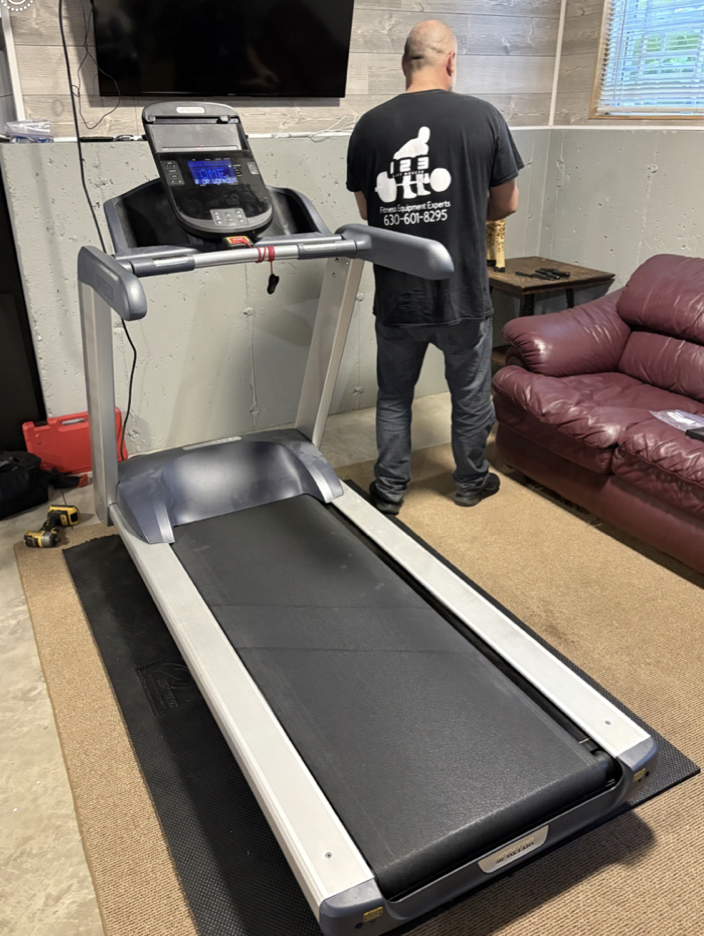
Depending on the model, the treadmill may need to be folded or partially disassembled before transportation. The running deck and console should be properly secured, and the power cord should be protected from getting caught or damaged.
Never drag a treadmill across the floor simply because it has wheels. Treadmills are extremely heavy, and improper handling can damage both the machine and the flooring.
6. Secure Weight Equipment
Free weights may seem simple to move, but hundreds of pounds of loose metal can quickly become a safety hazard.
Keep weight plates together and transport them in a way that prevents shifting. Avoid placing excessive weight on boxes or containers that aren’t designed to handle it.
For commercial gyms, it’s particularly important to organize weight equipment before moving day. A little preparation can make loading and unloading significantly more efficient.
7. Label Everything
Once equipment has been disassembled, label the components.
For example, you could use labels such as:
Treadmill A — Console
Treadmill A — Hardware
Cable Machine — Left Side
Cable Machine — Weight Stack
This may seem unnecessary at first, but labeling can save considerable time during reassembly.
For businesses, consider labeling equipment according to its destination within the new facility as well.
8. Don’t Forget Electrical Requirements
Many modern fitness machines require electrical connections. Before moving them, unplug the equipment and secure the cords.
For commercial facilities, take note of where each machine was connected. If your new location has different electrical requirements, consult a qualified electrician rather than attempting electrical modifications yourself.
This is particularly important for large commercial equipment that may require specialized electrical connections.
9. Consider Professional Fitness Equipment Movers
Large fitness machines aren’t always suitable for a typical DIY move.
Professional fitness equipment movers have experience handling heavy, oversized, and specialized equipment. They can help with tasks such as:
Disassembly
Equipment protection
Heavy lifting
Transportation
Navigating tight spaces
Reassembly
Commercial gym relocations
Home gym moves
Professional assistance can be especially valuable when equipment is expensive, unusually heavy, or difficult to maneuver.
10. Plan the New Fitness Space Before Moving Day
One of the easiest ways to make a fitness equipment move more efficient is to know where everything is going before the equipment arrives.
Create a basic floor plan showing where each machine, rack, bench, and storage area will go.
Consider:
Walking space
Equipment spacing
Electrical outlets
Ceiling height
Door locations
Emergency exits
Storage
User traffic patterns
Having a plan allows movers to place equipment closer to its final position instead of repeatedly moving heavy machines around afterward.
Moving Fitness Equipment Doesn’t Have to Be a Workout
Preparing your equipment properly can make a major difference in the safety and efficiency of your move. From documenting your equipment and organizing hardware to protecting floors and planning your new layout, a little preparation goes a long way.
If you’re moving a home gym, commercial gym, or individual piece of fitness equipment, 123 Lift Movers can help take the heavy lifting off your hands.
Instead of risking an injury or damaging expensive equipment, consider working with professionals who understand how to safely move fitness equipment.
Ready to move your equipment? Contact 123 Lift Movers today to discuss your upcoming move and get started.
