Why Professional Fitness Equipment Movers Save You Time, Money, and Stress
Buying quality fitness equipment is an investment in your health. Whether you've purchased a commercial-grade treadmill, a functional trainer, a squat rack, or a complete home gym, moving that equipment safely requires much more than strength alone. Heavy exercise machines contain delicate components, electronic systems, and precision engineering that can easily be damaged if handled incorrectly.
That's where professional fitness equipment movers make all the difference.
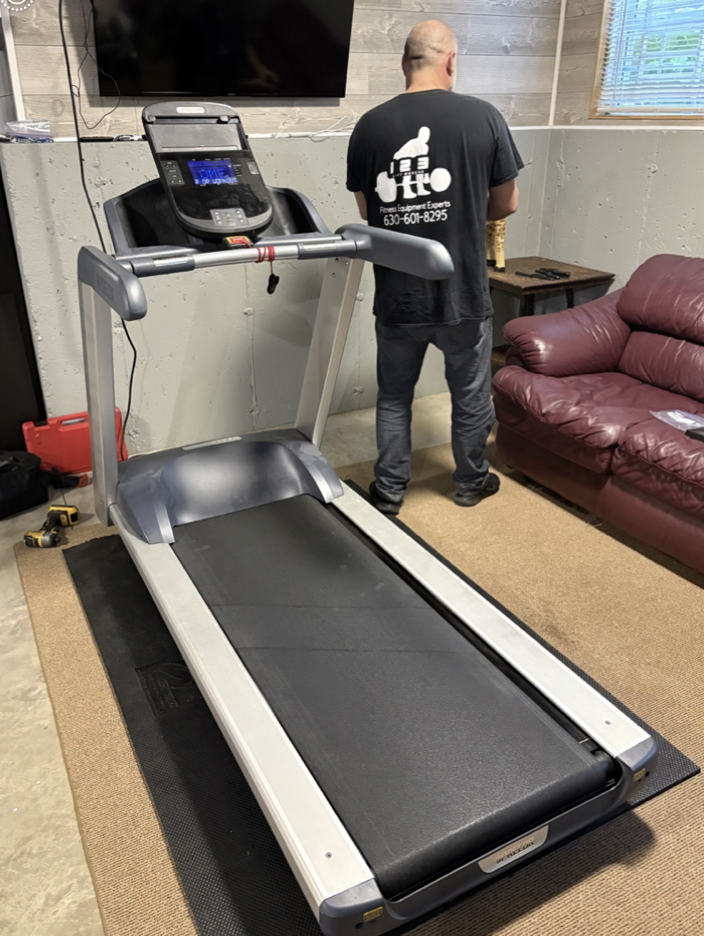
Fitness Equipment Is More Complicated Than It Looks
Many people assume they can move exercise equipment with a few friends and a rental truck. Unfortunately, that's often when injuries and costly damage occur.
Large fitness machines are designed to stay stable during workouts—not to be carried through hallways, down stairs, or into moving trucks. Improper lifting techniques can damage frames, belts, cables, motors, and flooring.
Professional movers understand how each type of equipment is built and know the safest way to prepare it for transport.
Equipment We Commonly Move
Every move is different, but professional fitness equipment movers regularly transport:
Treadmills
Ellipticals
Exercise bikes
Rowing machines
Home gyms
Functional trainers
Cable crossover machines
Smith machines
Power racks
Weight benches
Olympic weight sets
Commercial gym equipment
Whether you're moving a single treadmill or relocating an entire fitness center, having experienced movers helps ensure everything arrives ready for reassembly.
Protect Your Investment
Exercise equipment can cost hundreds—or even thousands—of dollars. Attempting to move it yourself may seem like a way to save money, but one mistake could result in expensive repairs or replacement.
Professional movers use specialized equipment, protective padding, and proven moving techniques to minimize risk throughout the process.
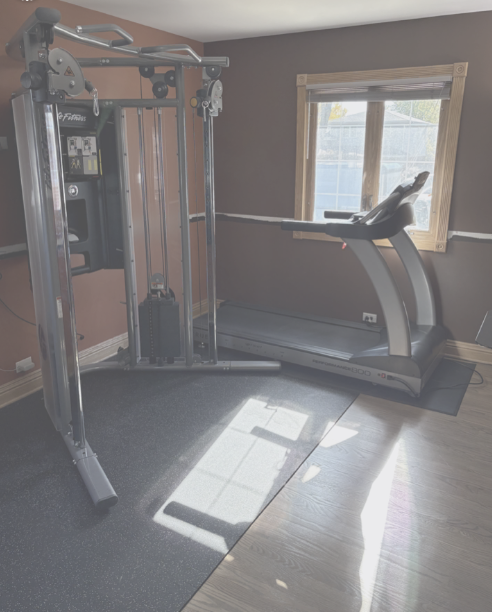
Moving a Home Gym
Home gyms have become increasingly popular, but relocating one presents unique challenges. Equipment often needs to be partially disassembled before it can safely fit through doorways or staircases.
Professional movers carefully label components, organize hardware, and reassemble equipment at your new home whenever possible, helping you get back to your workouts faster.
Commercial Gym Relocations
Relocating a commercial fitness facility requires careful planning to minimize downtime. Every day a gym remains closed can impact members and revenue.
Experienced fitness equipment movers can coordinate transportation, loading, unloading, placement, and installation so your business can reopen as quickly as possible.
Safety Comes First
Heavy fitness equipment poses serious risks if moved incorrectly. Professional movers help reduce the likelihood of:
Personal injury
Damaged walls and door frames
Scratched hardwood floors
Broken equipment parts
Lost hardware during disassembly
Improper reassembly
Working with trained professionals gives you peace of mind throughout the moving process.
Why Choose 123 Lift Movers?
At 123 Lift Movers, fitness equipment isn't just another item on the truck—it's our specialty. Our team understands the unique challenges involved in transporting both residential and commercial exercise equipment safely and efficiently.
We take pride in providing dependable service, careful handling, and attention to detail on every move, whether you're relocating across town or across the state.
Ready for Your Next Move?
Whether you're upgrading your home gym, moving into a new house, or relocating an entire fitness facility, choosing experienced fitness equipment movers can save you time, protect your investment, and eliminate unnecessary stress.
Contact 123 Lift Movers today to learn how our specialized moving services can help make your next move safe, efficient, and worry-free.
