Buying Used Gym Equipment? Here's How to Get It Home Safely
Buying used fitness equipment can be a smart way to build your home gym, upgrade your workout space, or outfit a commercial fitness facility without paying full retail prices. From treadmills and exercise bikes to weight racks and multi-station machines, the secondhand market offers plenty of opportunities to find quality equipment.
But finding the right machine is only half the process.
Once you've made your purchase, you still need to get that equipment from the seller to your home, gym, or fitness studio. And moving heavy exercise equipment can be more complicated than it looks.
Before you arrange pickup, here's what to know about buying, transporting, and setting up used gym equipment.
Why Buying Used Fitness Equipment Makes Sense
New fitness equipment can represent a significant investment. For homeowners building a personal workout space or business owners expanding their facilities, purchasing used equipment can help stretch a budget further.
Depending on your needs, buying secondhand may allow you to:
Find quality cardio equipment at a lower purchase price.
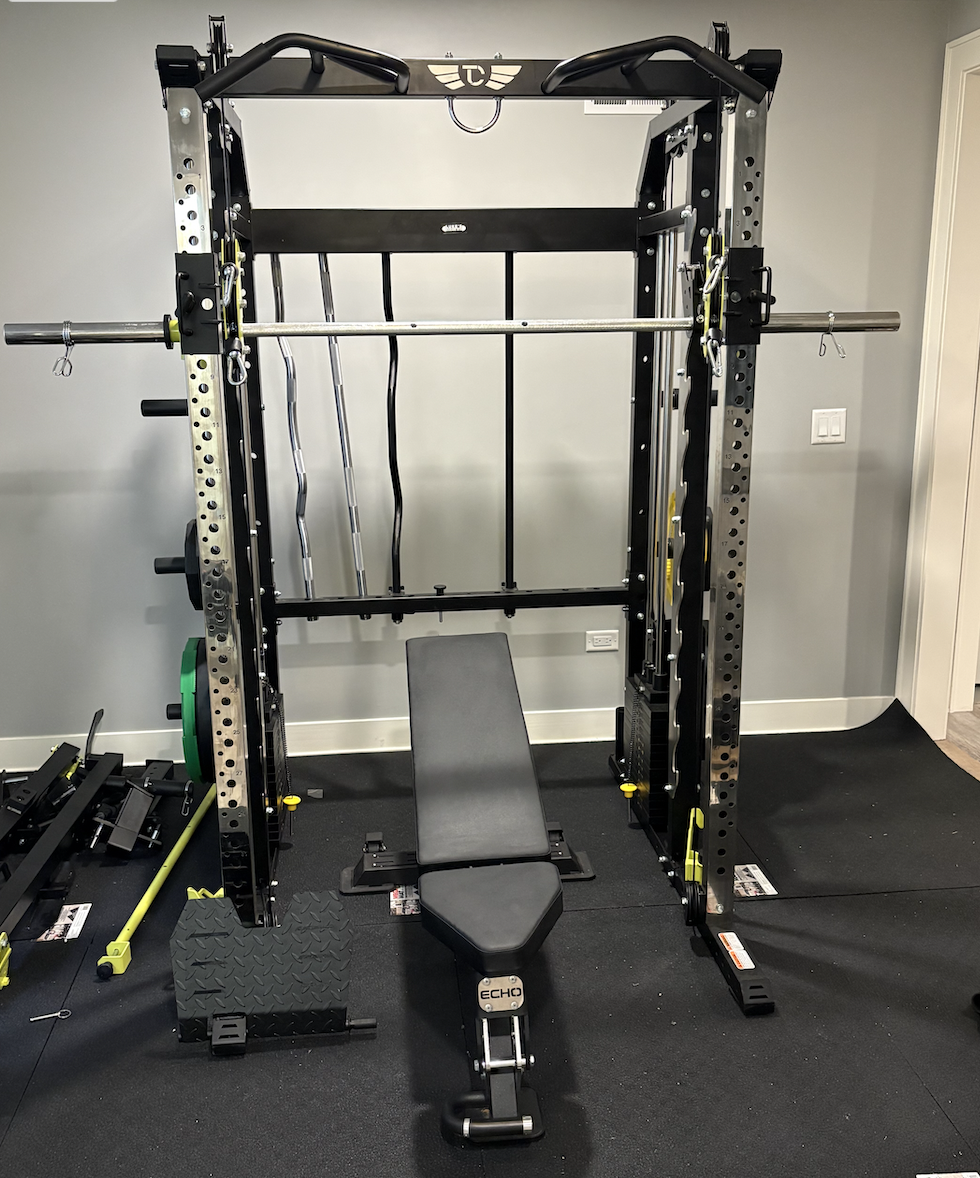
Expand your collection of strength training machines.
Add equipment to a growing commercial gym.
Replace an older machine without purchasing a brand-new model.
Build a home gym gradually instead of buying everything at once.
Online marketplaces, local sellers, and businesses upgrading their facilities can all be potential sources for used fitness equipment.
However, a good deal should account for the entire process — including pickup, transportation, and installation.
Don't Underestimate the Challenge of Moving Gym Equipment
A treadmill purchased online might look easy enough to move in a few photos. In reality, it may weigh hundreds of pounds and require careful handling to navigate stairs, hallways, and doorways.
The same is true for many other types of exercise equipment.
Before committing to a purchase, consider how the equipment will get from the seller's location to yours.
Some common transportation challenges include:
Weight and size: Commercial treadmills, weight machines, and power racks can be extremely heavy or oversized.
Limited access: Basement gyms, narrow staircases, apartment buildings, and tight hallways can complicate pickup.
Disassembly requirements: Certain machines need to be partially disassembled before they can be moved safely.
Sensitive components: Motors, cables, screens, and moving parts may require extra care during transport.
Reassembly: Equipment may need to be put back together correctly before it is ready for use.
Planning for these challenges before pickup can help prevent last-minute complications.
What to Check Before Purchasing Used Exercise Equipment
Before paying a seller, take time to gather information about the machine and its condition.
1. Confirm the Equipment's Condition
Ask the seller whether the equipment functions properly and whether it has any known mechanical or electrical issues.
For cardio machines, you may want to ask about the condition of the belt, motor, console, and other key components. For strength machines, check for visible wear, damaged cables, missing hardware, and structural concerns.
If possible, inspect the equipment in person or request a demonstration before completing the purchase.
2. Get the Exact Dimensions
Photos can make large machines appear smaller than they are.
Ask for the equipment's dimensions and approximate weight. This information helps you determine whether the machine can fit through the entrances, hallways, and staircases at both locations.
For larger pieces, consider the dimensions of the equipment after any necessary disassembly.
3. Ask Whether It Needs to Be Disassembled
Some fitness machines can be transported with minimal preparation, while others require partial disassembly.
Knowing what is involved ahead of time helps you arrange the appropriate moving service and avoid unexpected delays.
Keep any available assembly instructions, manuals, and information about the equipment's make and model. These details can be helpful during setup.
4. Coordinate Pickup With the Seller
Before scheduling transportation, confirm when the equipment will be available and whether the seller has any access restrictions.
For example, a machine located in a basement may require a different moving plan than one already positioned in a ground-floor garage.
Clear communication helps ensure that pickup can be coordinated efficiently.
Why Professional Fitness Equipment Movers Can Help
Moving a used treadmill or home gym isn't the same as transporting ordinary household items.
Fitness equipment often combines substantial weight with mechanical components that require careful handling. Attempting to move a machine without the appropriate assistance, tools, or preparation can increase the risk of personal injury or property damage.
Professional fitness equipment movers understand the unique considerations involved in transporting exercise machines.
Depending on the equipment and service arranged, professional assistance may include disassembly, careful handling, transportation, and installation at the destination.
This can be especially helpful when purchasing equipment from an unfamiliar seller, moving a machine between buildings, or transporting a piece of equipment that won't fit through an entryway in its assembled form.
Rather than coordinating every part of the move yourself, you can arrange specialized assistance for the equipment itself.
Moving Equipment Into a Basement or Upstairs Gym
The destination matters just as much as the pickup location.
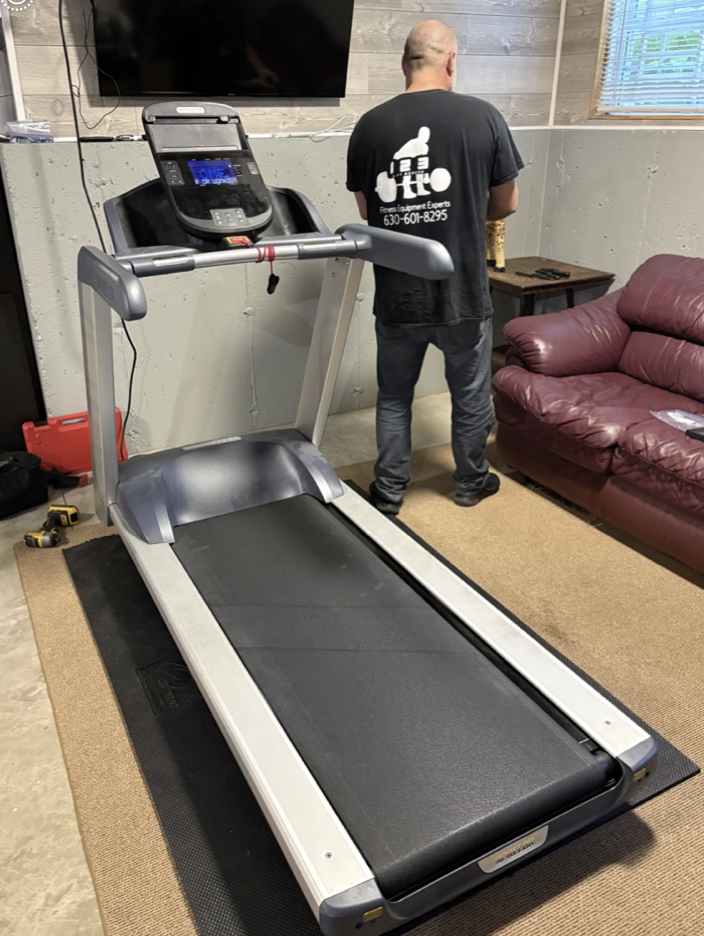
Many home gyms are located in basements, spare bedrooms, garages, or dedicated workout spaces. Commercial equipment may need to be delivered into fitness studios, training facilities, or other buildings with limited access.
Before moving day, evaluate the route the equipment will take.
Consider the width of doorways, ceiling height, staircase turns, available elevator access, and the amount of space needed to maneuver the machine.
If you're setting up a new home gym, it is also worth measuring the intended workout area before purchasing equipment. A machine that fits through the door may still be too large for the room once you account for safe clearance and comfortable use.
Planning the route and final placement in advance helps make the delivery process more straightforward.
Don't Forget About Installation and Setup
Getting fitness equipment to your destination is only one part of the process.
Depending on the machine, it may need to be reassembled, leveled, or positioned correctly before use. Certain equipment may also require specific setup procedures outlined by the manufacturer.
Keep loose accessories, hardware, and available documentation organized. If the equipment has been disassembled, avoid guessing how components fit together.
For machines with electrical or mechanical components, follow the manufacturer's instructions and consult a qualified technician when necessary.
A careful setup helps you transition from delivery to your first workout with greater confidence.
Buying Equipment for a Commercial Gym?
Used fitness equipment can be an attractive option for gym owners, personal trainers, and fitness businesses looking to expand their offerings.
However, coordinating multiple purchases can quickly become a logistical challenge.
You may be purchasing equipment from several sellers, working with different pickup schedules, or preparing a new facility for opening day. Each machine may have different dimensions, handling requirements, and installation needs.
Creating an equipment inventory before scheduling transportation can help keep the process organized.
Include each machine's make and model, dimensions, pickup location, destination, and any known disassembly requirements. If you're outfitting a new facility, consider the planned layout so equipment can be delivered and placed efficiently.
Working with a fitness equipment moving specialist can help simplify the transportation side of the project, allowing you to focus on preparing your business for its next stage.
Make Your Used Fitness Equipment Purchase a Better Investment
A great deal on used gym equipment should leave you excited about your next workout — not overwhelmed by the challenge of getting it home.
By checking the equipment's condition, measuring access points, coordinating pickup, and planning for installation, you can avoid many of the common surprises that come with moving heavy exercise machines.
And when the equipment is too large, too heavy, or too complicated to move on your own, specialized movers can help bridge the gap between finding the right machine and getting it into your space.
At 123 Lift Movers, fitness equipment is our specialty. We help homeowners and fitness businesses with the moving, disassembly, and installation needs associated with exercise equipment.
Whether you've found a treadmill on a local marketplace, purchased a strength machine from another gym, or are adding several pieces to your home workout space, having the right moving team can make the process easier.
Found Your Next Piece of Gym Equipment?
Don't let transportation stand between you and your next fitness upgrade.
123 Lift Movers specializes in fitness equipment moving, helping you get your equipment where it needs to go.
Contact us to discuss your equipment, pickup and delivery locations, and moving needs. We'll help you determine the next steps for getting your new-to-you fitness equipment into place.
You find the equipment. We'll handle the heavy lifting.
